
Wudongde Hydropower Station
Wudongde Hydropower Station is the first of four cascade stations on the lower Jinsha River, controlling a 406,100 km² drainage area—84% of the basin—with an average annual runoff of 116.4 billion cubic meters. The dam is a concrete double-curvature arch with a crest elevation of 988 m, a maximum height of 270 m, and a base thickness of 51 m, giving it a thickness-to-height ratio of just 0.19. It is the world’s thinnest 300-meter-class arch dam and the first to be fully constructed with low-heat cement concrete.
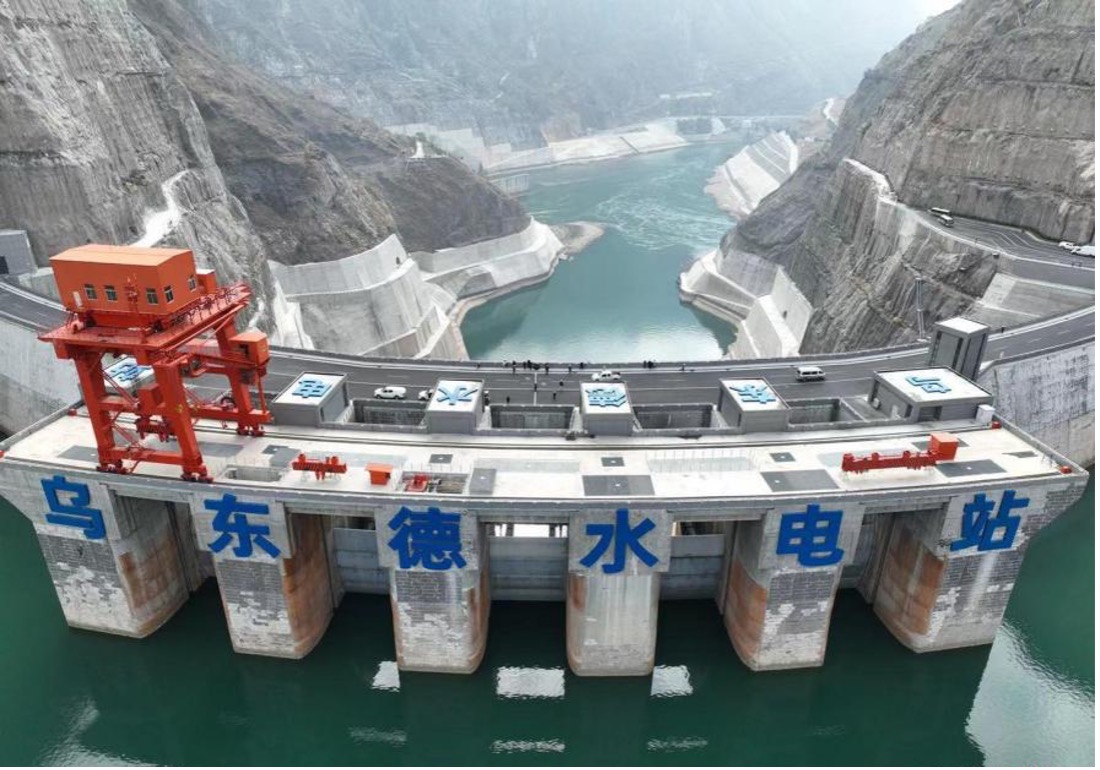
Figure 1. Aerial View of Wudongde Hydropower Station (Source: Sichuan Online)
Situated in the hot, arid valley of the Jinsha River, the site faces extreme construction conditions, including high temperatures, sharp diurnal variations, sudden cooling, intense summer sunlight, dry climate, strong winds, a narrow valley, and steep slopes. These factors made temperature control and crack prevention in the dam concrete a significant challenge.
To address this, the project team pioneered a low-heat cement + 35% Grade I fly ash mix, making Wudongde the first ultra-high arch dam to be fully constructed with low-heat cement concrete. This innovation set a new benchmark for arch dam construction under complex climatic conditions. By optimizing mineral composition, the team reduced tricalcium aluminate (C₃A) to ≤3% and used ion-doping technology to develop tetra-calcium aluminoferrite (C₄AF), enhancing long-term strength, durability, erosion resistance, and crack resistance. The cement exhibited low early hydration heat, delayed peak temperature, smooth heat release, and a prolonged hydration period, significantly reducing heat accumulation compared to medium-heat and ordinary Portland cement. It effectively prevents the “tail-end rise” phenomenon caused by cement hydration heat. Wudongde’s full-scale use of low-heat cement provides valuable insights for large-scale concrete applications in future hydropower projects.